It’s pumpkin palooza this month! I love teaching with pumpkins and taking a trip to the pumpkin patch! Here are some of my favorite educational pumpkin activities:
Pumpkin Science
Bring in a few pumpkins. Allow students to explore and touch the outside of a pumpkin. Ask them to describe it. Write their responses on an anchor chart or large pumpkin cut out.
Point out the outside parts of the pumpkin and their functions (stem, skin, ribs). I like to keep the explanations simple so my young students can understand.
Stem: The stem is what attaches a pumpkin to the vine. It brings water and nutrients to the pumpkin. The stem is green while the pumpkin is still growing. Once the pumpkin is ripe, the stem turns brown or brownish green.
Skin: The shiny, orange outer layer of a pumpkin that protects the insides from insects and disease.
Ribs: Indented ridges running from the top to the bottom. They vary in size – sometimes they are shallow, sometimes they are deep.

Pumpkin Investigations
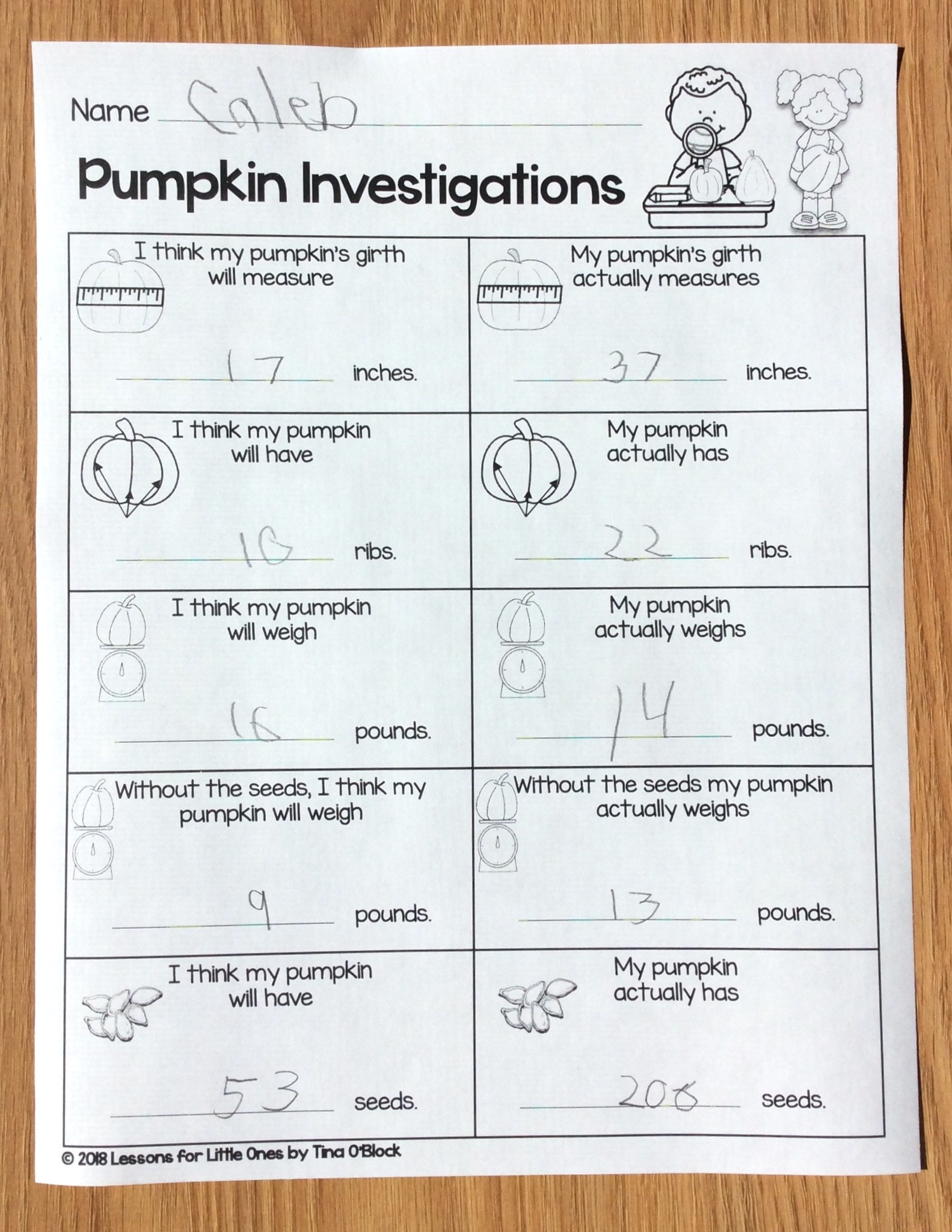
This is a fun activity that allows students to make hypotheses about various attributes of a pumpkin and then test to see if they are correct.
I like to give them “official” Pumpkin Investigation pages on which to record their predictions and results. It makes them feel like little scientists! You can also have them write their predictions in their science journals or make a graph of their predictions.
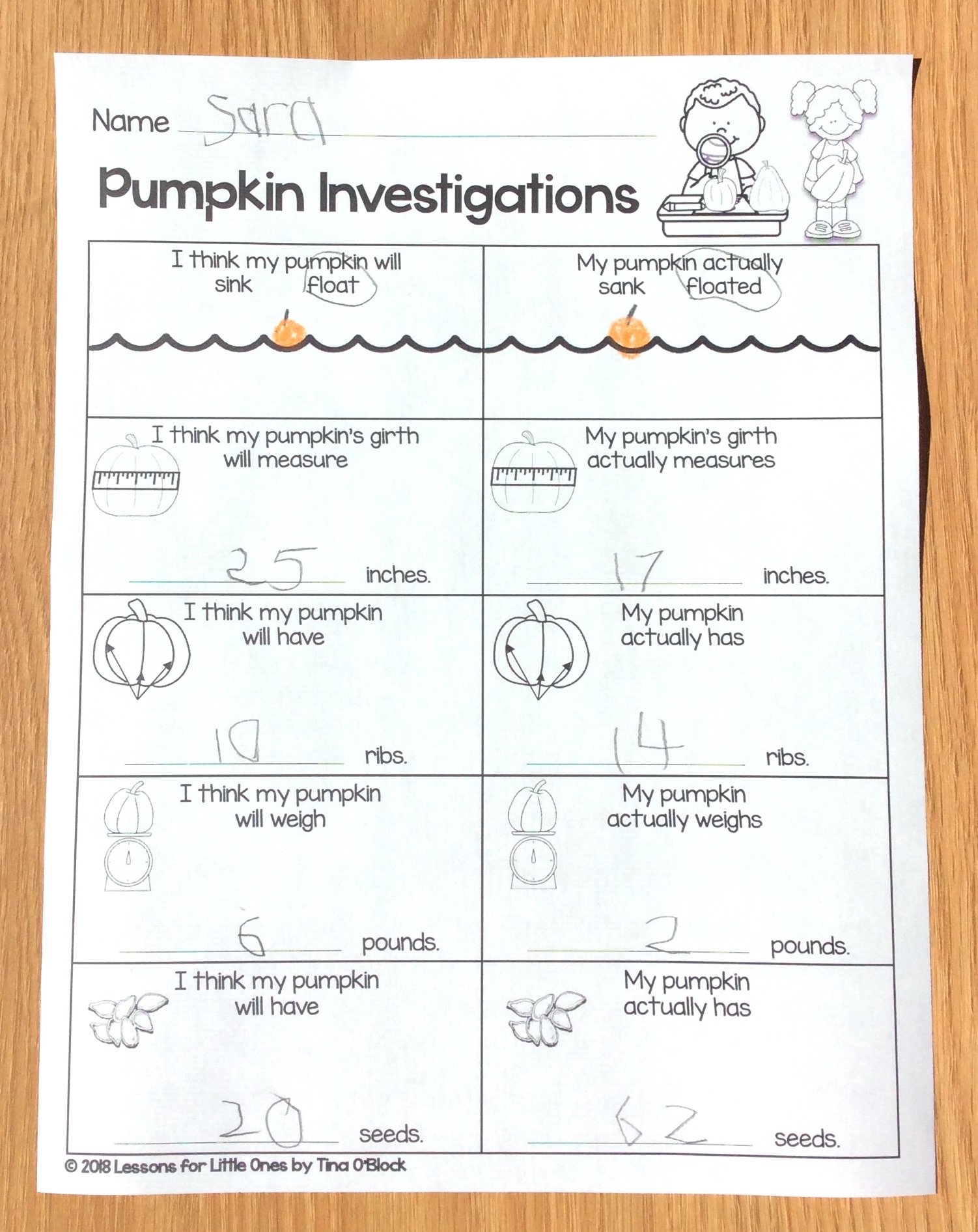
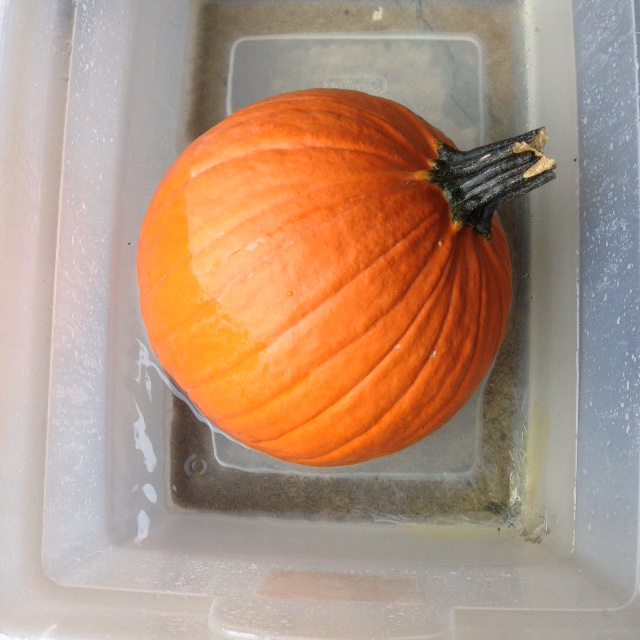
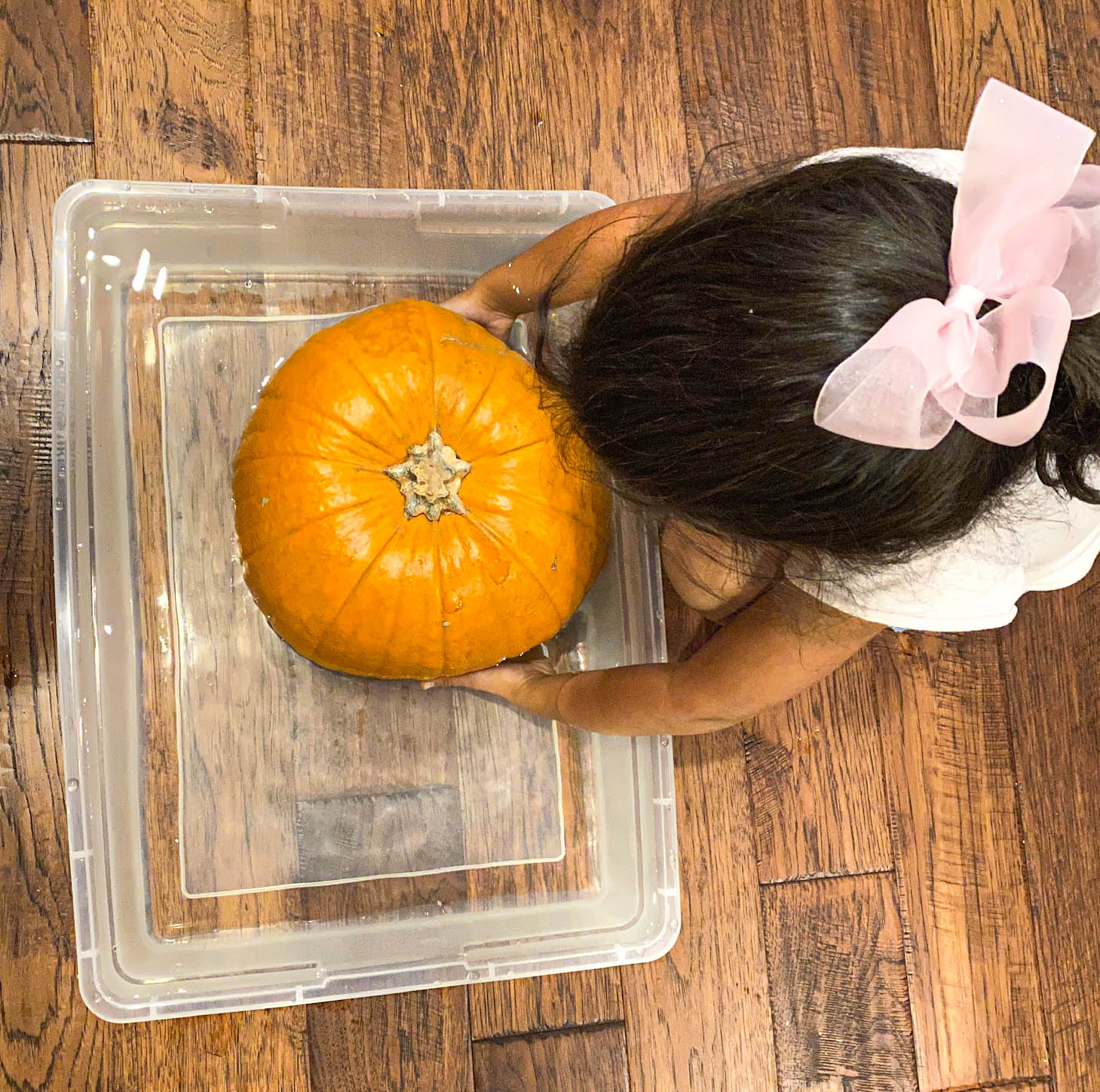
(This idea was inspired by students. We had done sink or float with apples, and they wanted to do it with pumpkins too). Have students predict whether a pumpkin will sink or float. Place pumpkins in a tub of water deep enough to lift the pumpkin off the bottom (they should float). Have students draw a picture and record their findings.
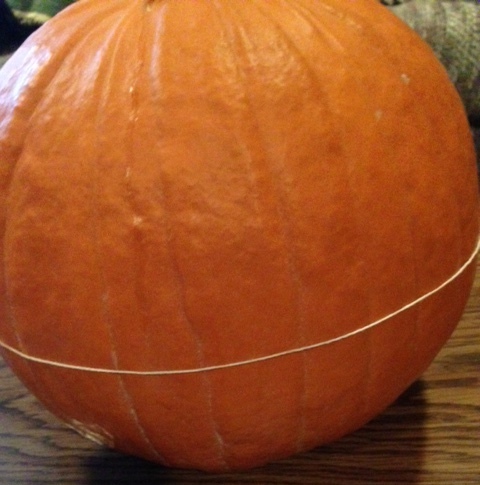
Explain to students that a pumpkin’s girth is the measurement around the middle of the pumpkin.
Have students predict the pumpkin’s girth. Use a measuring tape to measure around the middle of the pumpkin and record the result.

Another idea for guessing a pumpkin’s girth is to place a piece of string around the middle of the pumpkin to measure it’s girth.
Next, cut several more pieces of string, some shorter and some longer. Lay all the pieces of string on a table or hang them up on the wall. Label each piece of string with a letter or number. Have students guess which piece of string is the correct measurement of the girth of the pumpkin.

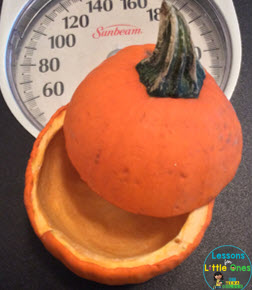
Ask students to guess the weight of the pumpkin and record their answers. Weigh the pumpkin and compare the results.
Cut out the pumpkin (see pumpkin carving idea below). Ask students to predict the weight of the pumpkin after the seeds and pulp have been removed. Record their responses. Re-weigh the pumpkin and compare the results.

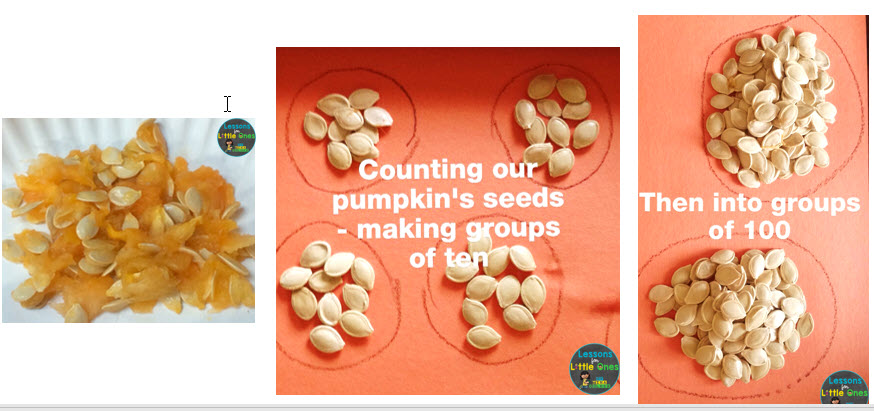
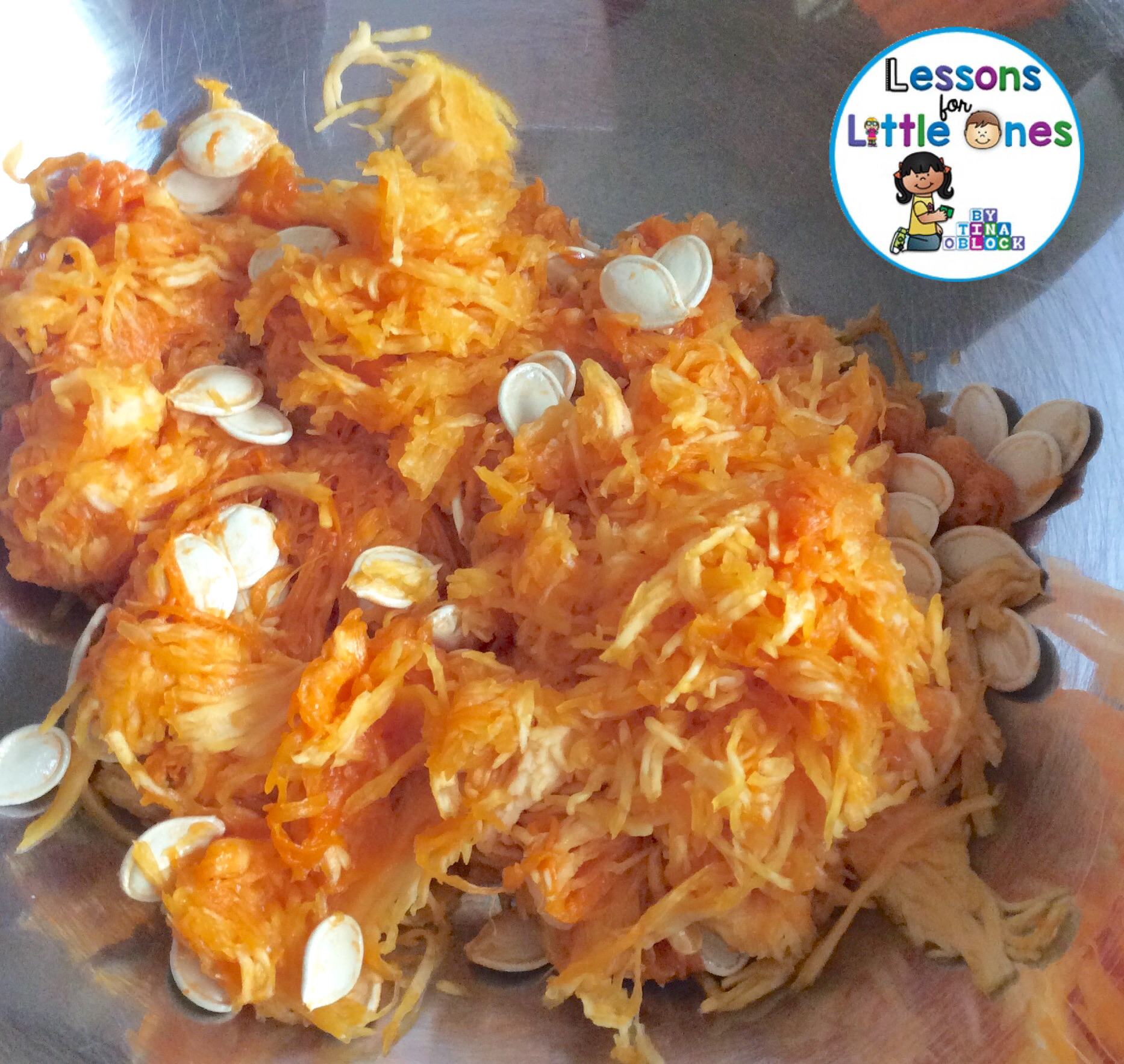
Cut open the pumpkin, separate the seeds from the strands, and count the seeds. To make it easier for my younger students, I have them put the seeds in groups of 10 and then, if necessary, make groups of 100.
CLICK HERE for additional hands-on pumpkin science and STEM activities.
After removing the pulp and seeds from the pumpkin, allow students to explore and touch the insides of the pumpkin and look at it through magnifying glasses. Ask them to describe it. Record their responses on an anchor chart or large pumpkin cut out.
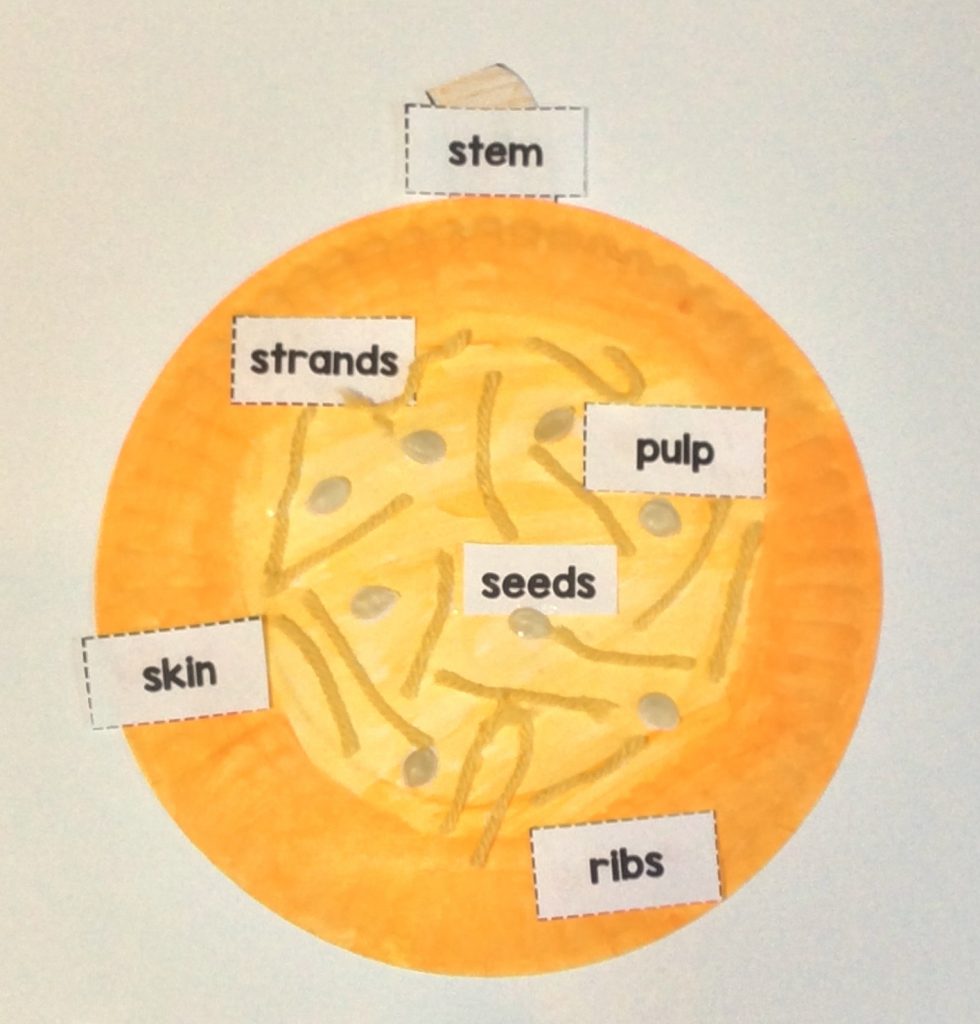
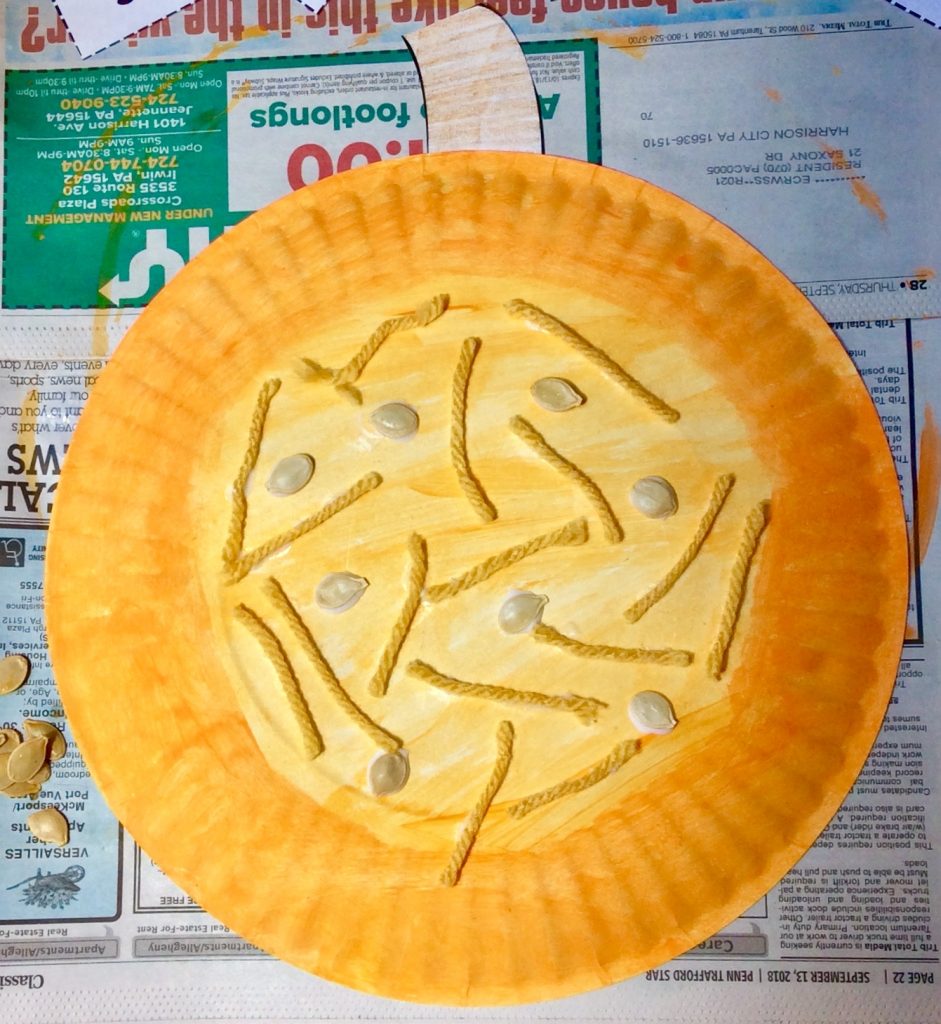
Supply students with either a paper plate or a pumpkin cut-out, pieces of orange or yellow string, pumpkin seeds (real or paper), and glue. Allow them to create their own representations of the inside of a pumpkin. If you have been learning about the parts of a pumpkin, students can label the parts of their crafts.
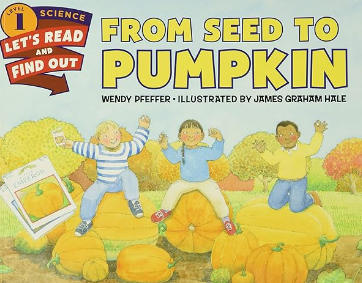
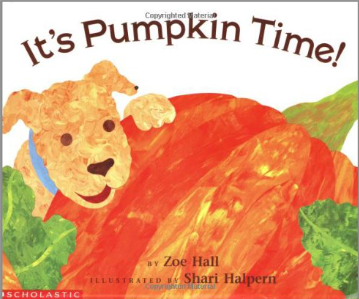
Read From Seed to Pumpkin by Wendy Pfeffer and/or It’s Pumpkin Time by Zoe Hall.
Plant some of the pumpkin seeds from your pumpkin. Take photos of each stage of the pumpkin life cycle. Click here for a free set of pumpkin life cycle cards plus 2 interactive digital activities.

Discuss the pumpkin life cycle. Click here for ideas and tips on teaching the pumpkin life cycle to students in a fun and meaningful way.
5 Little Pumpkins STEM Challenge
I love teaching my students the “5 Little Pumpkins Sitting on a Gate” poem/song, and it quickly becomes a student favorite every year!
If you are not familiar with the poem, I shared it below. You can also read the classic book or the Pete the Cat version (which is now a student favorite). There is a cute video of the song on YouTube here.
Five little pumpkins sitting on a gate
The first one said, “Oh, my it’s getting late”
The second one said, “There are witches in the air”
The third one said, “But we don’t care”
The fourth one said, “Let’s run and run and run”
The fifth one said, “We’re ready for some fun”
Then “Ooh” went the wind and out went the lights
And the five little pumpkins rolled out of sight
Since students enjoy this poem so much, I recently started doing a fun STEM activity for it.
In this STEM activity, students design and build a gate that will hold 5 little pumpkins (pumpkin candies).


You can read a more detailed description of how to do this activity in your classroom, as well as how to add a wind challenge to it, at this blog post – Pumpkin Science & STEM.
Dye Pumpkin Seeds
Dyed pumpkin seeds make great manipulatives for learning and can also be used for fall art projects. Click here for directions on how to dye pumpkin seeds as well as fun learning activities and art projects.


Pumpkin Volcano
This fun pumpkin science activity is always a hit with students. They love watching the pumpkin volcano explode and erupt! I usually add it as an activity on the day we are carving/exploring pumpkins, but it can be done anytime during the fall season. Click here for step by step directions on how to make a pumpkin volcano.


Christian Pumpkin Carving Activity
This special way to carve a pumpkin is perfect for Christian schools, Sunday School classes, etc. It relates the pumpkin carving experience with Jesus. Click here for step by step instructions with pictures.

Pumpkin Games
Ring Around the Pumpkin – Purchase some small pumpkins and spread them around the room or an outdoor area. Label them with numbers. Have students toss several hula-hoops to try to ring pumpkins. Have each student add their score.
Use these fun pumpkin games to help with transition times. They work great prior to bathroom time or washing up for snack.
Pumpkin Hot Potato – Play like the classic Hot Potato game, except pass around a small pumpkin or gourd. When a student gets caught with the pumpkin when the music stops, they go to the next activity, line up, or go to the bathroom, etc.
Pin the Nose on the Pumpkin – Played like the classic game Pin the Tail on the Donkey, except the students try to place the nose on a jack-o-lantern.
Pumpkin Books
It’s the Great Pumpkin, Charlie Brown

Pete the Cat: Five Little Pumpkins

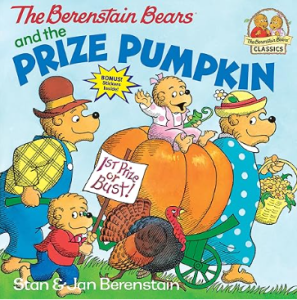
The Berenstain Bears and the Prize Pumpkin