What is a Center?
If you have never set up centers in your classroom, it can feel like an overwhelming task. However, with a little patience and a solid plan, you can use centers in the kindergarten classroom!
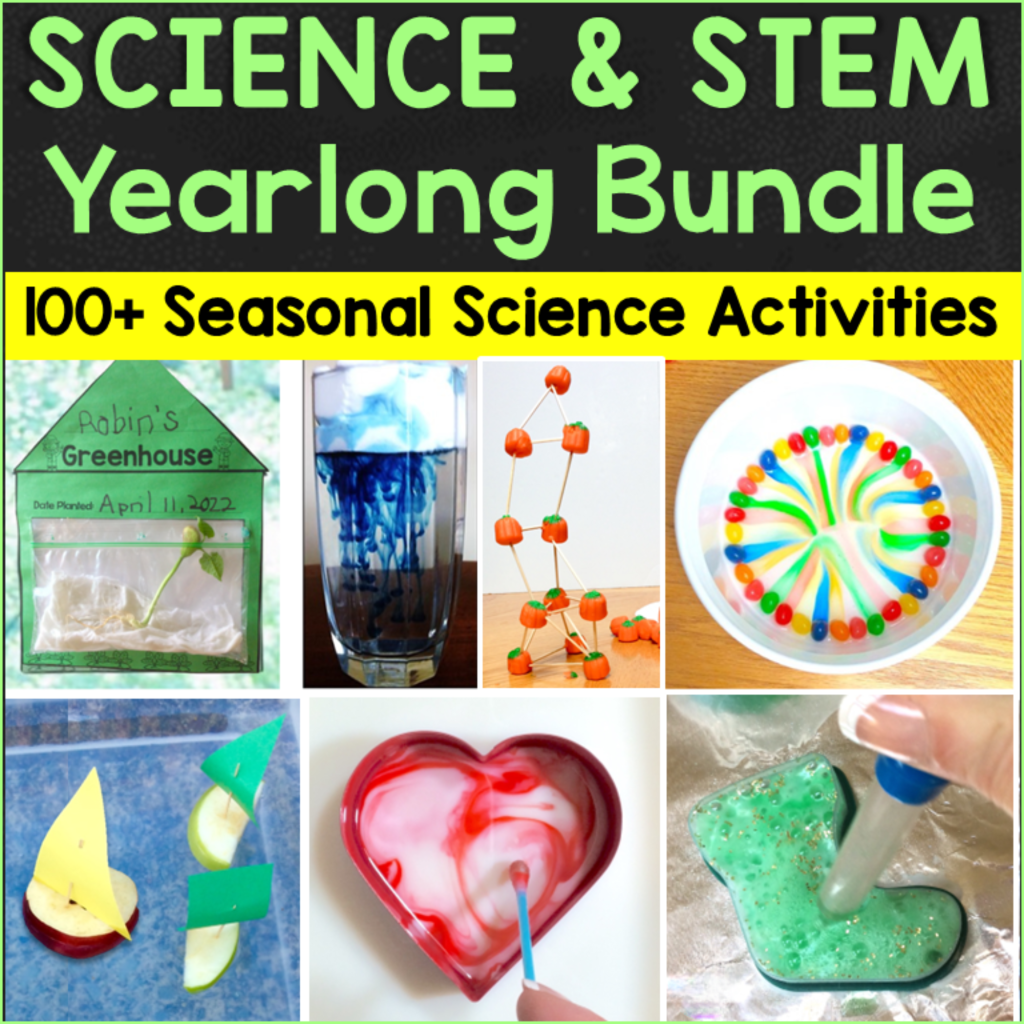
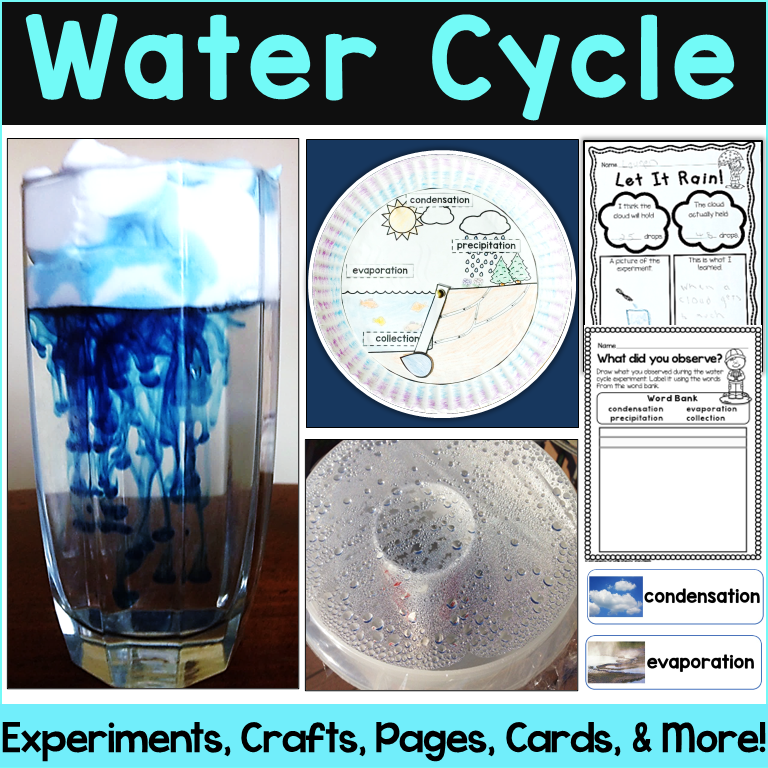
First, you need to understand that a center simply means a designated space where students work either independently or in a small group on a predetermined task. For example, students might build words with magnetic letters, complete a math game, or work through a hands-on STEM challenge while the teacher meets with a small group.
As the teacher, you would create a task or activity ahead of time for students to complete. Occasionally, the teacher will join a center group to help introduce or reinforce the skill being practiced.
Why should I use Centers?
Well-planned centers give students meaningful practice while allowing you to work with small groups. They also help build independence, problem-solving skills, and confidence as students learn classroom routines.
Some of the biggest benefits include:
- Reinforcing skills through hands-on practice.
- Giving students opportunities to apply what you’ve already taught.
- Building independence and responsibility.
- Providing natural opportunities for collaboration and conversation.
- Allowing you to differentiate activities to meet a variety of learning needs.
- Giving you uninterrupted time to provide targeted small-group instruction.
How should I organize my Centers?
Using centers in the kindergarten classroom does take some organization, especially when you’re first getting started.
My first tip is to keep them simple at the beginning and allow them to grow over time. Students will become more independent when they know what to expect, and you can gradually make the activities more challenging as their skills grow.
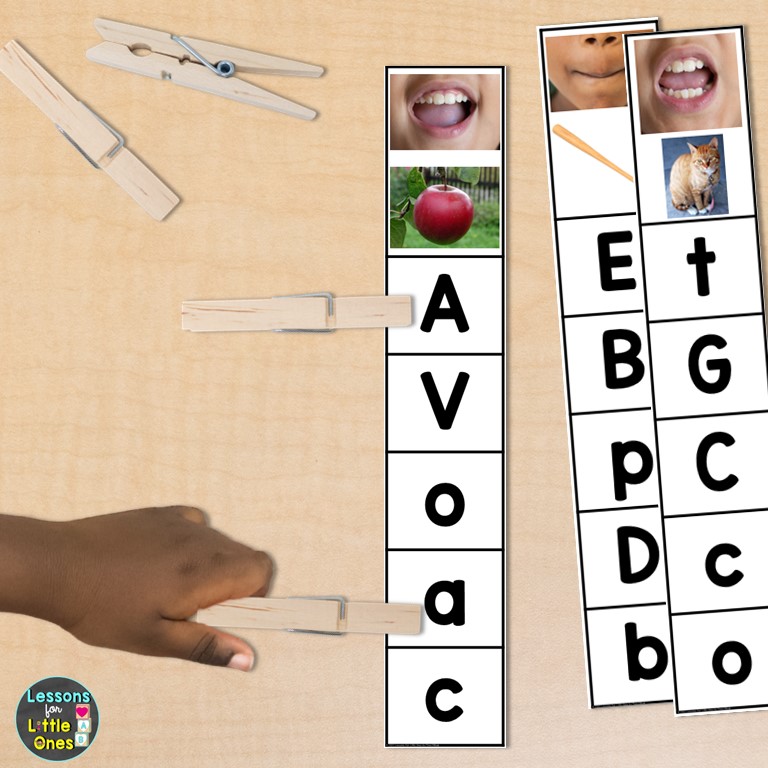
I like to keep the same center categories throughout the year while changing the activities inside them to match the skills we’re learning. For example, during literacy centers students might begin by matching letters to sounds and forming letters with Play-Doh mats, progress to building words, and later read and build simple decodable sentences.


Next you need to think about how many centers you need in your classroom. This can vary depending on the amount of space that you have and how many students you have in your classroom.
I use centers when I pull my small groups. The students who are not in the small group with me are at centers.
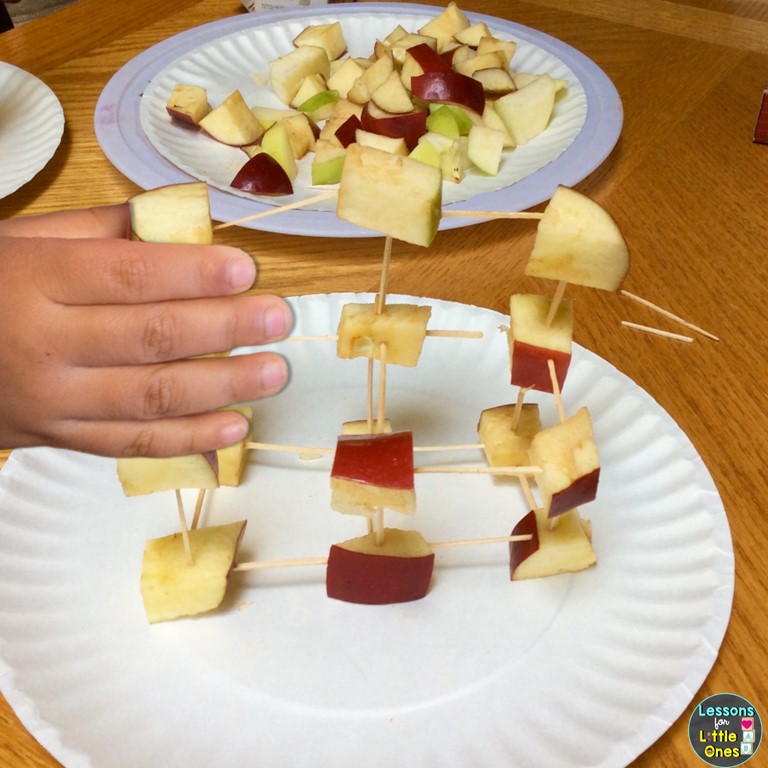
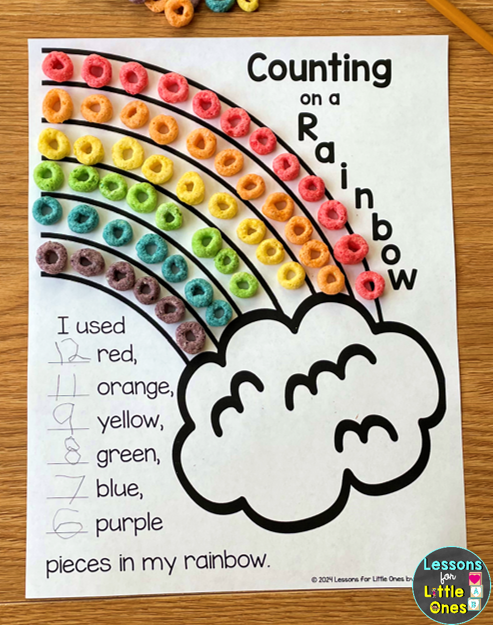
I usually have no more than 3 students per center in my kindergarten, but this will vary depending on the center. Partner games will have 2, play dough mats or STEM activities will have 3, independent activities or technology centers will only have one student per activity or device.


The number of centers you have can also depend on how much time you allot to centers in your daily schedule.
I usually will not go over 15 minutes for each center with my kindergarten students. 15 minutes focusing on one task is usually good; anything more and behavior issues can sometimes arise.
So, if I have an hour for my reading block (small groups), I will usually do 3 center rotations (small group with me plus 2 independent centers) that are 15 minutes each, and I allow 5 minutes in between each for clean-up and transition.
I have found that bins work the best with kindergarten students for storing centers.
Any type of bin from a dollar store or the Target Dollar Spot will work great. Kindergartners can easily take out and put back materials from a bin.
I suggest using picture labels to help with the organization of the bins. I place a label on the bin and a matching label on the shelf or table where the bin is to be placed. Students know exactly what goes in the bin and where to put it back when finished.


How should I transition between centers?
Anytime students are moving around the classroom chaos can ensue. But, there are things that you can do to make sure that control remains, similar to what you already use in other areas of your classroom.
You start with expectations and modeling the behavior. I always take a few minutes to show students how to complete the activity. This is repeated anytime I make a change.
As long as you keep the center activities simple and fun, students usually have very few problems knowing what to do.
I love to use timers when we are in center time. This gives my students a visual of how long they have left at each station. That way, they can prepare for what is to come next.
For clean up you can either set the timer at 1 or 2 minutes or play a song. Students know that they have to be cleaned up and at the next activity before the time is up or the song is over. Personally, I like to use any skill or seasonal song that we have been singing lately. I play the song and students know they need to be cleaned up and moved by the end. They often sing along and it helps create a “good vibe”.
Since kindergarten students usually need a little more help with following a schedule, I use visual cue cards so they know where to go and what to expect. I place them in a pocket chart and put student names or photos on one side and the center labels beside them. We go to green first, then blue, then yellow.
If you would like a free set of editable center cards click here.
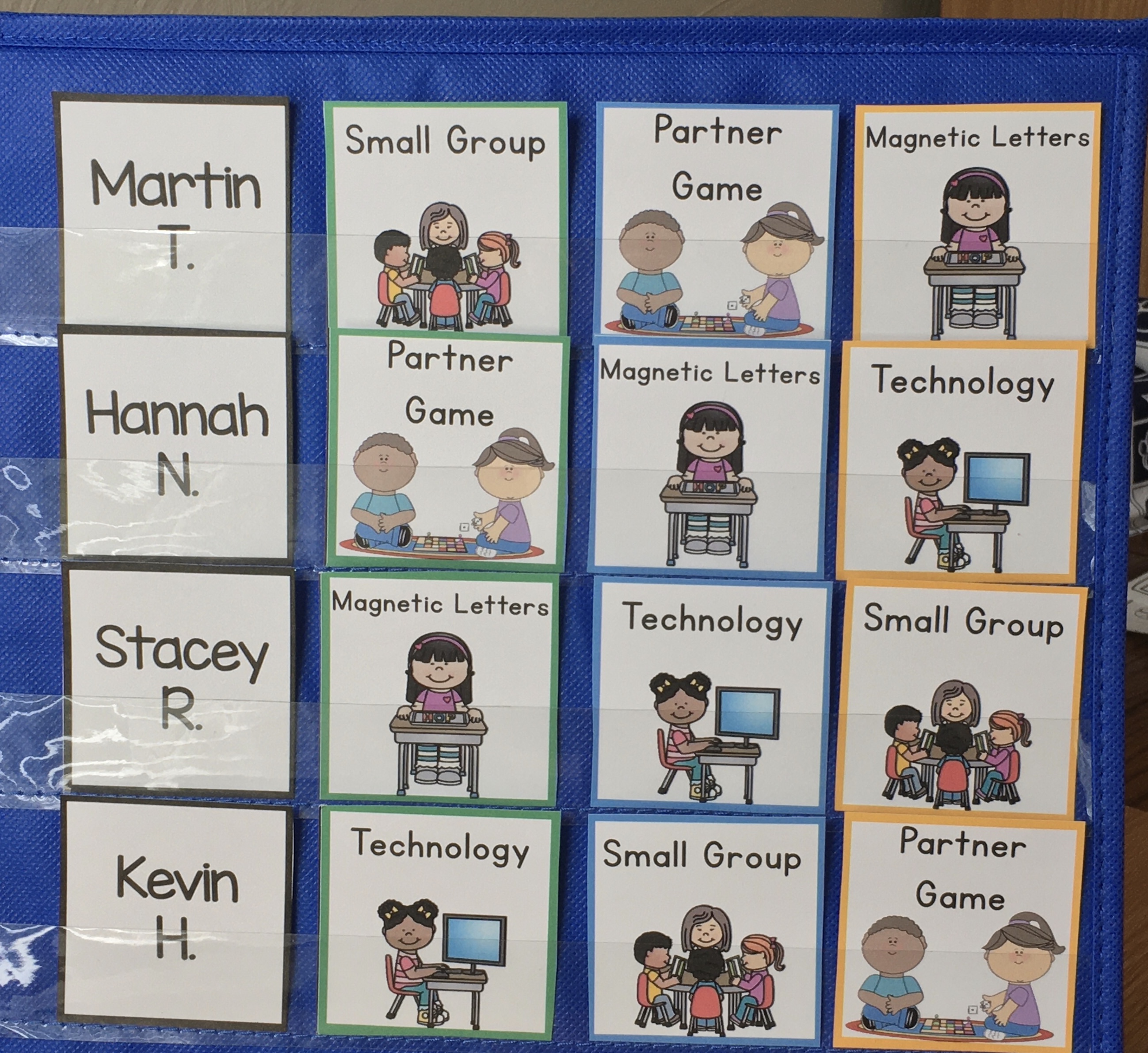
It is your choice whether you have students go directly to the next center OR you all meet at the carpet (or a meeting place) after clean up, look at the chart, and then go to the correct center.
Repetition is key to making centers work. You will be amazed at how well your students do at centers by October!
Will you use centers in your classroom?
Centers don’t have to be elaborate to be effective. Start with a few simple activities that reinforce the skills you’re teaching, establish consistent routines, and build from there.
As your students become more independent, you can introduce new activities and gradually increase the level of challenge. Before long, center time will become one of the most productive—and enjoyable—parts of your school day.
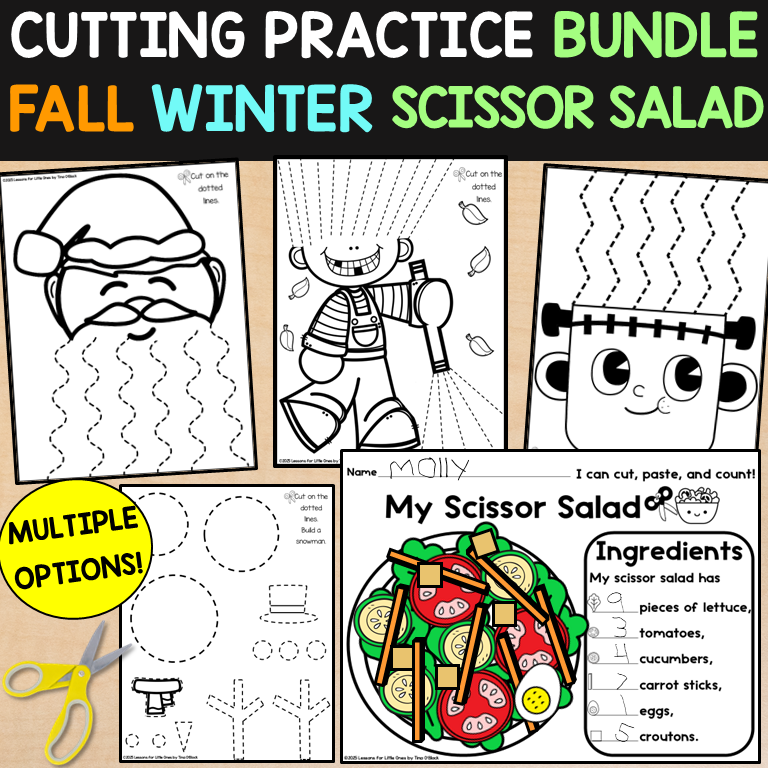
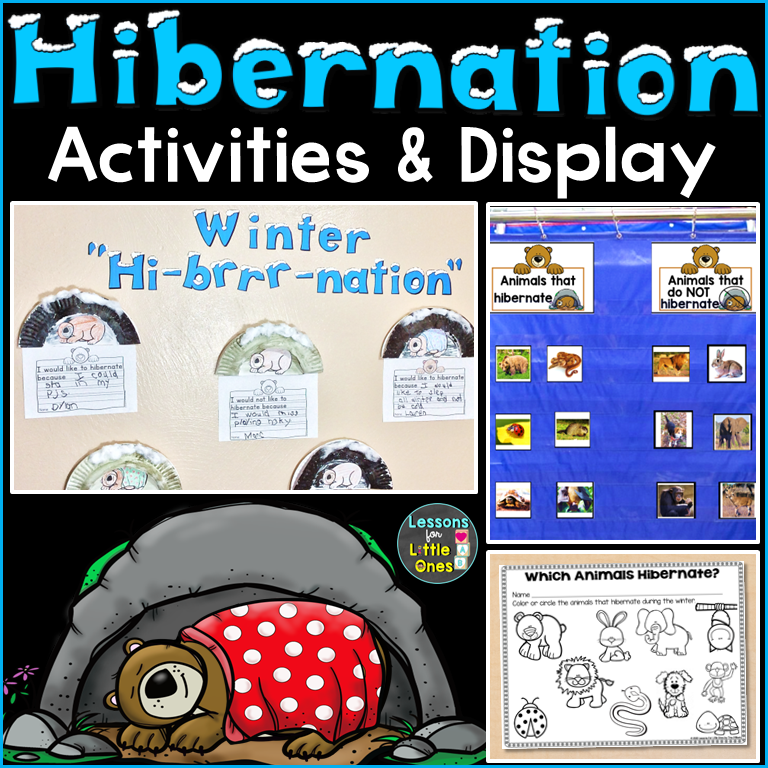
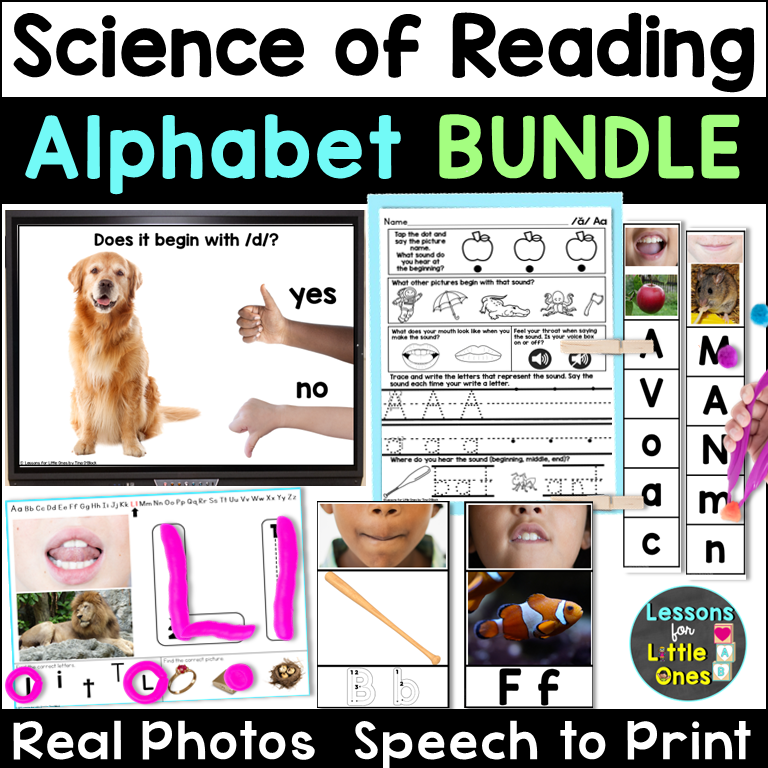
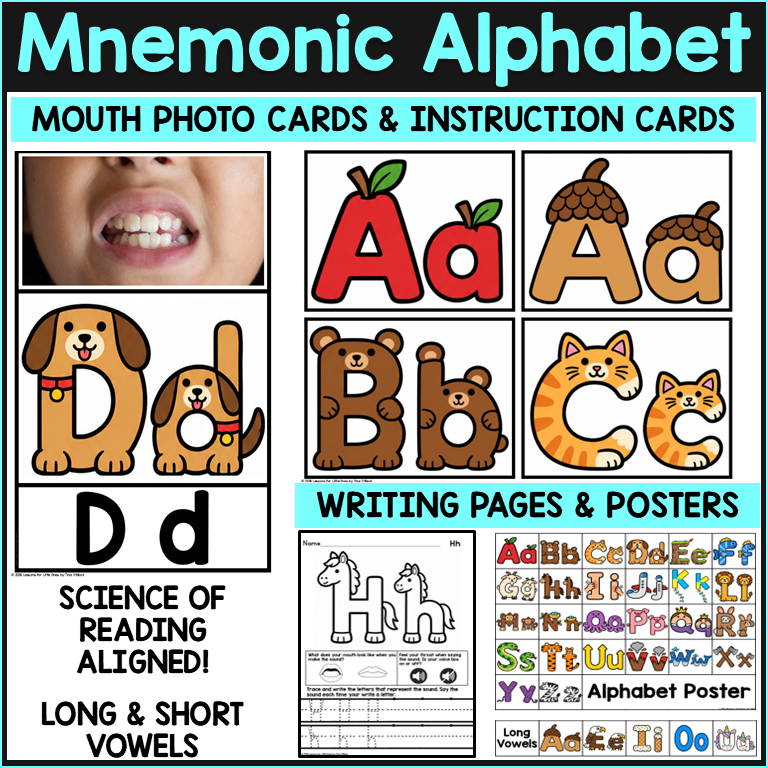
If you would like ready-made, time-saving centers for your kindergarten classroom, click the links below to download some classroom-tested kindergarten centers.
Pin it for later!