
How & Why to Set Up a Classroom Hydration Station + Tips & Ideas for Teachers
Looking for hydration station ideas for your classroom? Discover easy setup tips and routines that help young students build healthy hydration habits.



Looking for hydration station ideas for your classroom? Discover easy setup tips and routines that help young students build healthy hydration habits.

Engage young learners with fun March lion and lamb crafts, bulletin board ideas, and weather activities! Track lion and lamb days, sort weather types, sing a catchy weather song, and create adorable writing crafts to explore the classic saying, “March comes in like a lion and out like a lamb.” Perfect for preschool, kindergarten, and first grade!

Explore fun and engaging activities for teaching animal adaptations and migration in your animals in winter unit! From hands-on sorting games to creative Arctic animal and monarch butterfly crafts, this post offers ideas for reinforcing key concepts through crafts, bulletin boards, interactive maps, and more. Plus, discover videos and printables to make learning about how animals survive the winter exciting and meaningful for young students!

Engage young learners in meaningful Earth Day activities with hands-on science experiments, crafts, and interactive lessons that teach the importance of caring for our planet. From water and air pollution experiments to solar oven s’mores and Earth Day crafts with writing prompts, this post is packed with engaging, easy-to-implement ideas. Create a stunning bulletin board, sing an Earth Day song, and inspire students to make a difference. Perfect for classrooms looking to celebrate Earth Day!
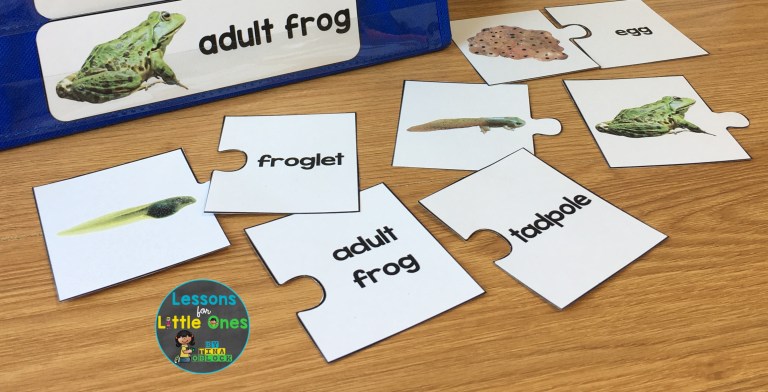
Teaching young children about life cycles helps them better understand nature and the world around them. They can start to see how things change and
Science experiments are one of the best ways to keep young students engaged and learning, but you may be wondering how to do them during

These are unprecedented and scary times for all of us. With things rapidly changing every day, it is hard to “carry on” as usual because
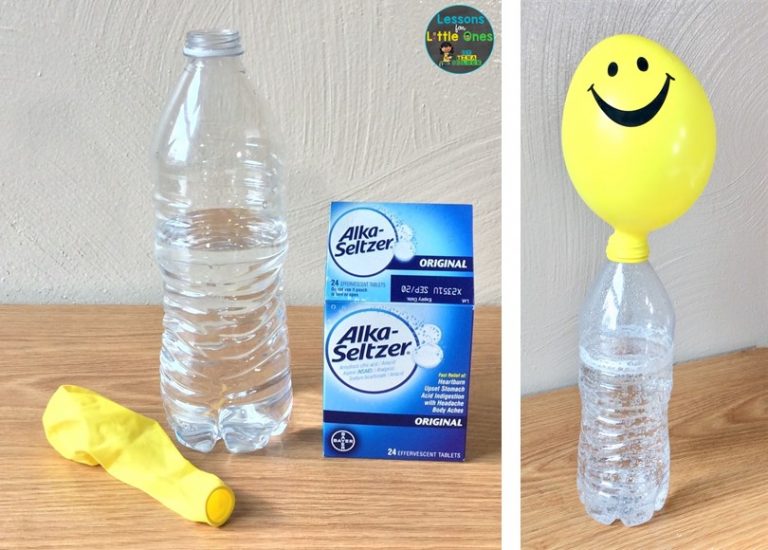
A fun and easy science experiment for teaching students the difference between a solid, liquid, and gas! This engaging activity uses a plastic water bottle, water, a balloon, and Alka-Seltzer tablets to demonstrate the states of matter in an exciting way. Watch as the reaction inflates the balloon and download a free printable page to enhance the learning experience. Plus, explore an additional Alka-Seltzer Snow Experiment and find more science and STEM ideas for the entire school year.

Over 100 easy, fun, and hands-on science experiments and STEM activities tailored for preschool, kindergarten, and first-grade teachers. These seasonal and themed ideas use common household items, making them simple to set up and perfect for keeping students engaged. Say goodbye to the stress of planning and seamlessly integrate exciting science lessons into your curriculum. Explore now and make science a breeze for your young learners!

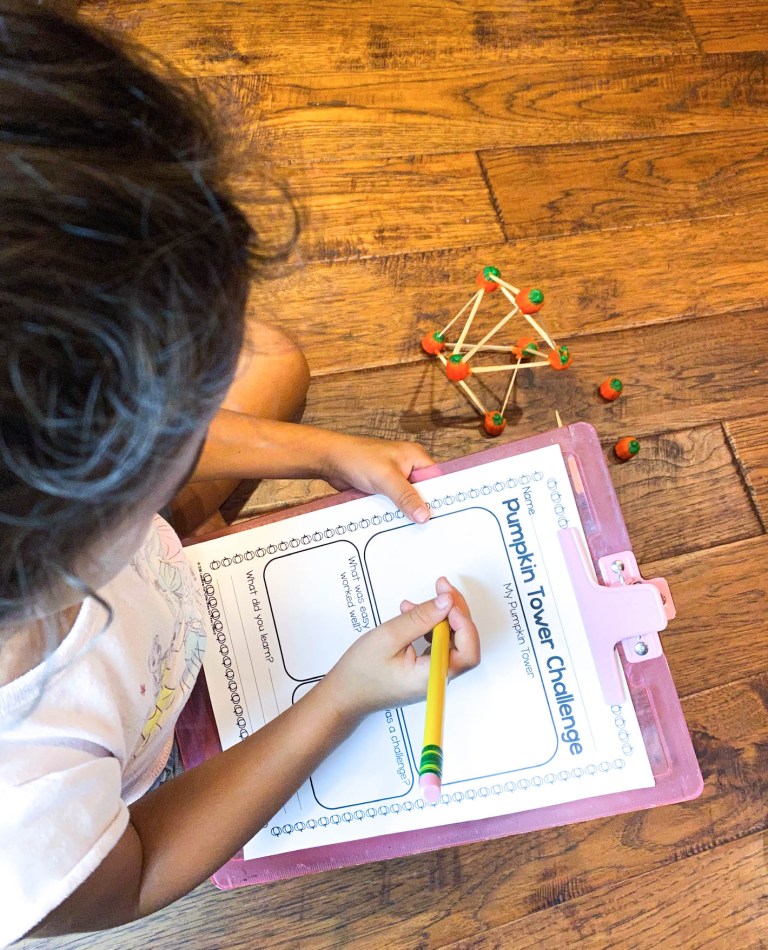
Explore fun and engaging pumpkin science experiments and STEM activities that will excite your students! From learning the parts of a pumpkin to conducting sink or float experiments, these hands-on activities are perfect for the classroom. Get step-by-step directions, technology integration tips, and creative challenges like building pumpkin towers.
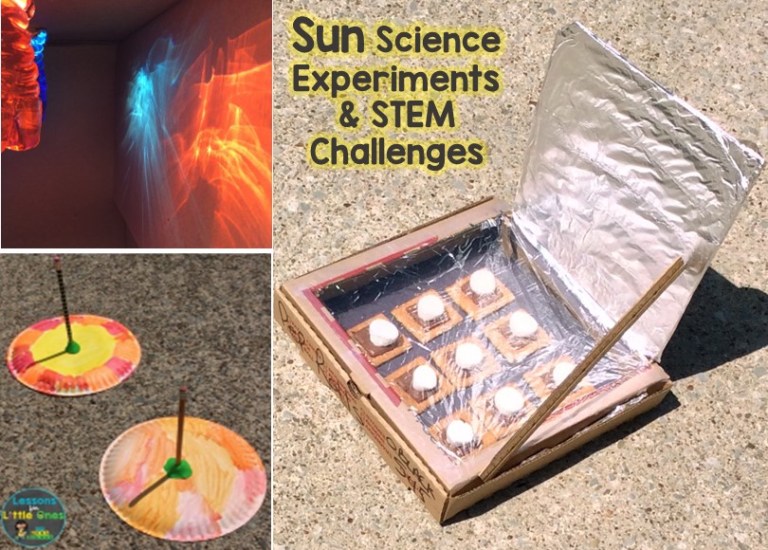
From solar ovens and sun prints to shadow tracing and sunscreen tests, these hands-on science experiments help young learners explore how the sun affects our world. Perfect for outdoor learning at the end of the school year, during summer break, or in summer camp settings—plus, I’ve included book suggestions and simple recording ideas too!

Spring is the perfect time to spark curiosity and hands-on learning with plant science experiments! In this post, I’m sharing engaging activities and classroom-tested investigations that help young students explore how plants grow—from testing which liquids work best for seeds, to watching bean sprouts take off in sunny windows, and discovering how water travels through a plant’s stem. These simple, meaningful experiments encourage observation, patience, and wonder—all while teaching important science concepts in ways little learners can understand.